
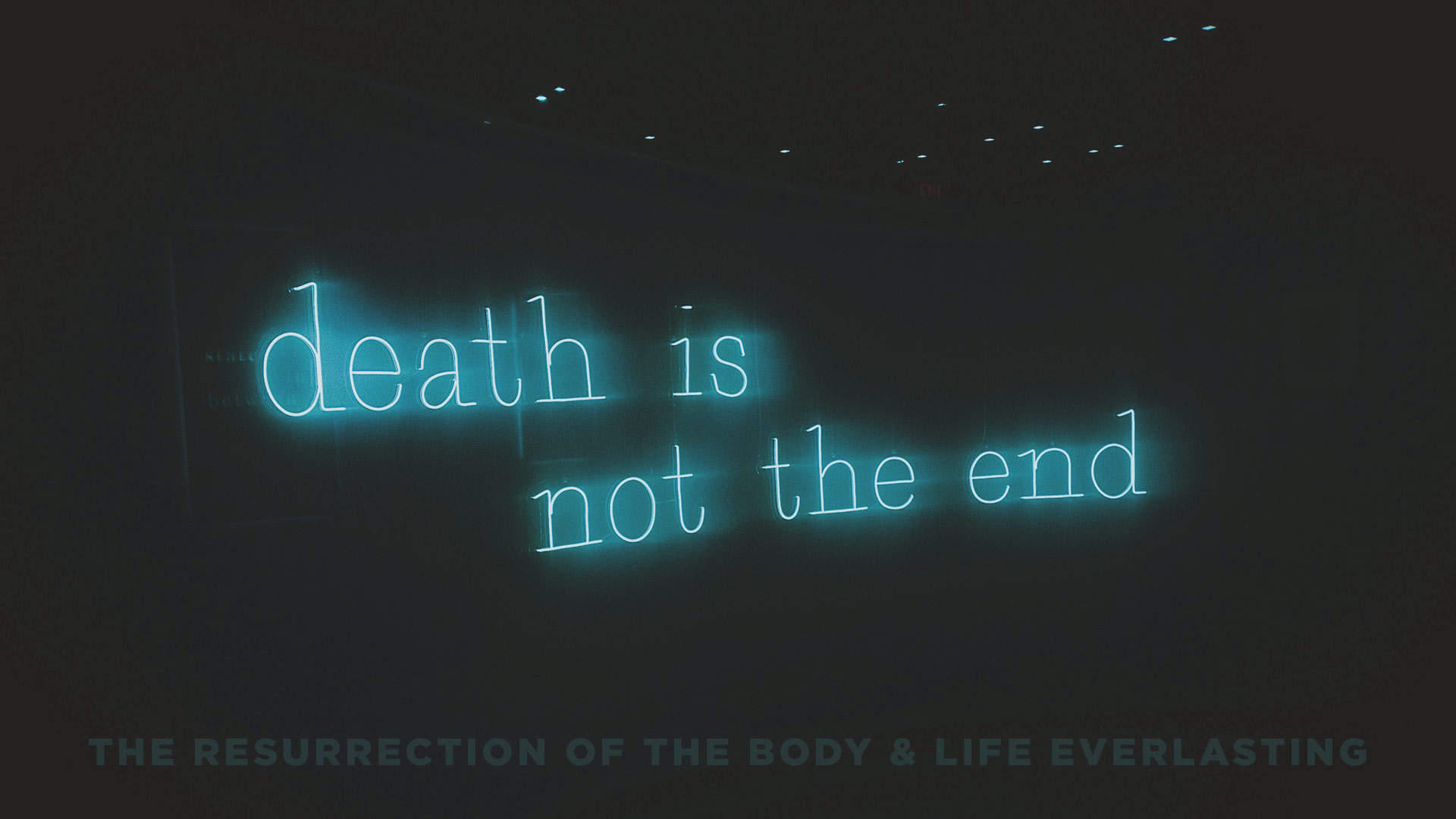
Our Eternal Hope in Christ
A Question That Changes Everything
How would your decisions change if you asked, “Will this still matter 10,000 years from now?”
That’s not just a thought experiment—it’s tied to one of life’s most pressing questions: What happens after we die?
It’s a question whispered in hospital rooms, shouted in grief, or quietly asked in the dead of night. For many, the hope of heaven feels distant or vague. But the Christian faith offers a hope that is solid, detailed, and transformative.
The Apostles’ Creed ends with these words: “I believe in the resurrection of the body, and the life everlasting.” This isn’t wishful thinking. It’s the anchor of Christian hope, shaping how we live, suffer, and love in a broken world.
The Journey of the Creed
The Creed has walked us through the grand story of faith:
- God the Father Almighty, Creator of heaven and earth
- Jesus Christ, crucified, buried, risen, and ascended
- The Holy Spirit, the holy Church, and the forgiveness of sins
Now, it ends with the destination: resurrection and eternal life.
We all long for healing, permanence, and a love that never ends. The Creed affirms that in Christ, we get exactly that.
The Resurrection of the Body
What Scripture Says
The Bible doesn’t just promise that your soul will live on—it promises that your body will be raised and transformed.
1 Corinthians 15:42–44 describes it:
“What is sown is perishable; what is raised is imperishable… It is sown in weakness; it is raised in power.”
Jesus’ resurrection is our preview. He wasn’t a ghost—He ate fish, could be touched, and walked among His disciples. Yet He was no longer bound by death or decay. That’s the kind of body promised to those who belong to Him.
Why It Matters
Paul wrote plainly: “If Christ has not been raised, your faith is futile” (1 Corinthians 15:17). Christianity collapses without the resurrection.
But Christ has been raised—the “firstfruits” of what’s to come (v. 20). Our hope isn’t to escape our bodies, but to see them glorified like His.
Let’s Be Clear
Too often, Christians imagine eternity as floating on clouds forever. But the Bible describes something far better: a renewed creation, where we live embodied, eternal lives in God’s presence.
Life Everlasting
Eternal Life Is More Than Longevity
Eternal life isn’t just unending time. It’s unending joy in perfect communion with God.
Revelation 21:4 declares:
“He will wipe away every tear… death shall be no more.”
That means no more funerals, no more depression, no more brokenness. This is not escapism—it’s fulfillment.
Eternity Includes Judgment
Jesus taught in Matthew 25 that eternity has two outcomes: eternal joy for those in Him, and eternal separation for those who reject Him. This gives weight to our lives now and urgency to our mission.
How Resurrection Hope Shapes Us Now
Resurrection Gives Us Purpose Today
Paul ends 1 Corinthians 15 with this encouragement:
“Be steadfast… knowing your labor is not in vain” (v. 58).
Every act of faithfulness counts. Nothing done in Christ is wasted.
See Life Through the Lens of Forever
Paul called our struggles “light and momentary” compared to eternal glory (2 Corinthians 4:17).
C.S. Lewis wrote:
“You have never talked to a mere mortal… it is immortals whom we joke with, work with, marry, snub, and exploit.”
When we see people as eternal, it changes how we forgive, love, and share Christ.
The Final Word
The resurrection of the body and the life everlasting isn’t a footnote—it’s the crescendo of the Christian story.
- It frees us from fear.
- It calls us to live with boldness and love.
- It gives joy that suffering cannot take away.
So ask yourself: If every person you meet is eternal, how would it change the way you speak, forgive, and share Jesus?
Application Recap
- Live with eternal perspective
- Reinvest your hope in Christ
- Endure suffering with purpose
- Cultivate a resurrection mindset
- Stay faithful in the small things
- Treat people as eternal beings
- Share your hope with others
This is our hope: resurrection, restoration, and everlasting life in Christ.